What we look at
- Changes in wear and finish when products are layered
- Visible differences such as pilling, clumping, or lift
- Whether results stay consistent when we repeat the test
Measurement process
- 01
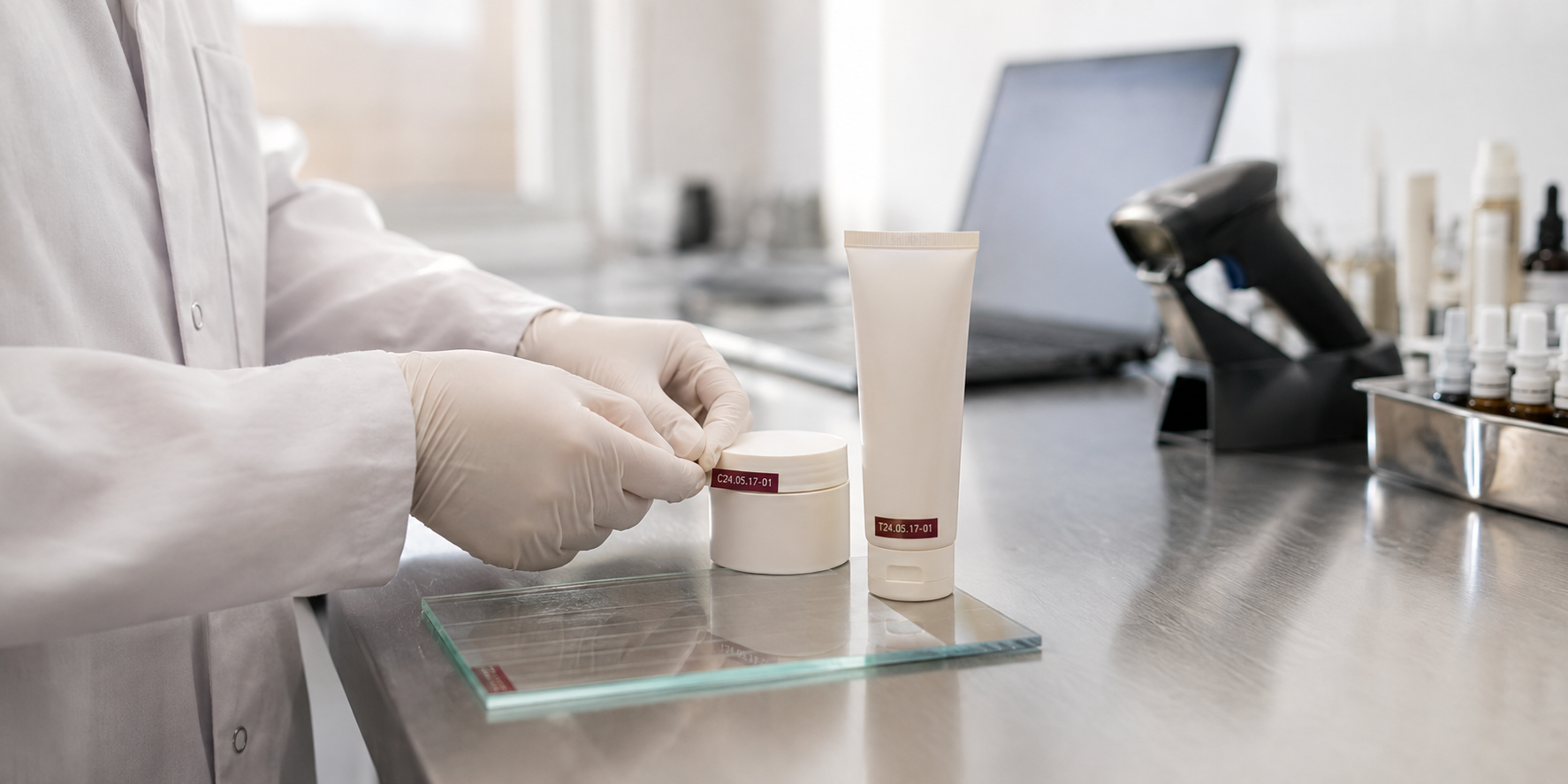
Record product and version
A new version can change results, so we keep product identity separate from version.
- 02
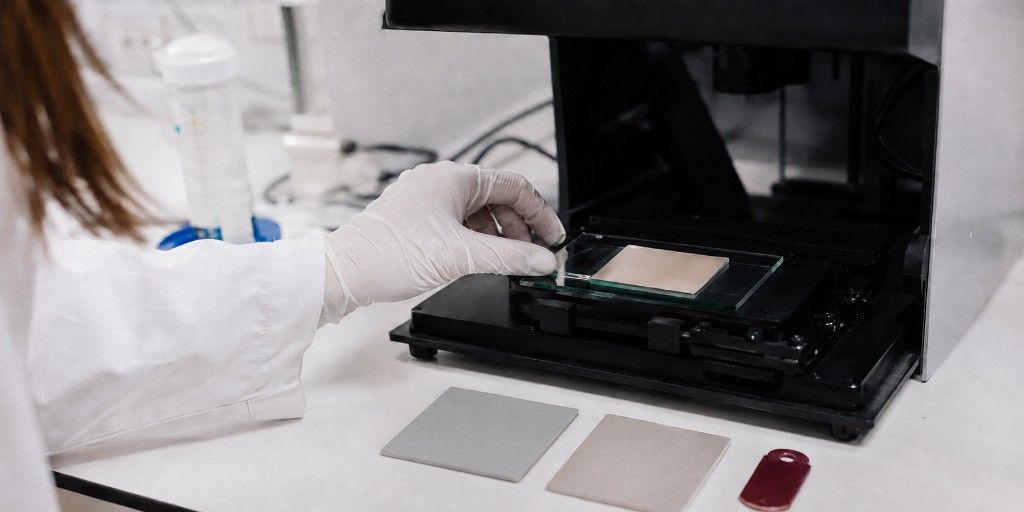
Set experimental conditions
Align the conditions that affect comparison.
- 03
Prepare samples and pairs
Prepare single-product samples and layered samples.

- 04
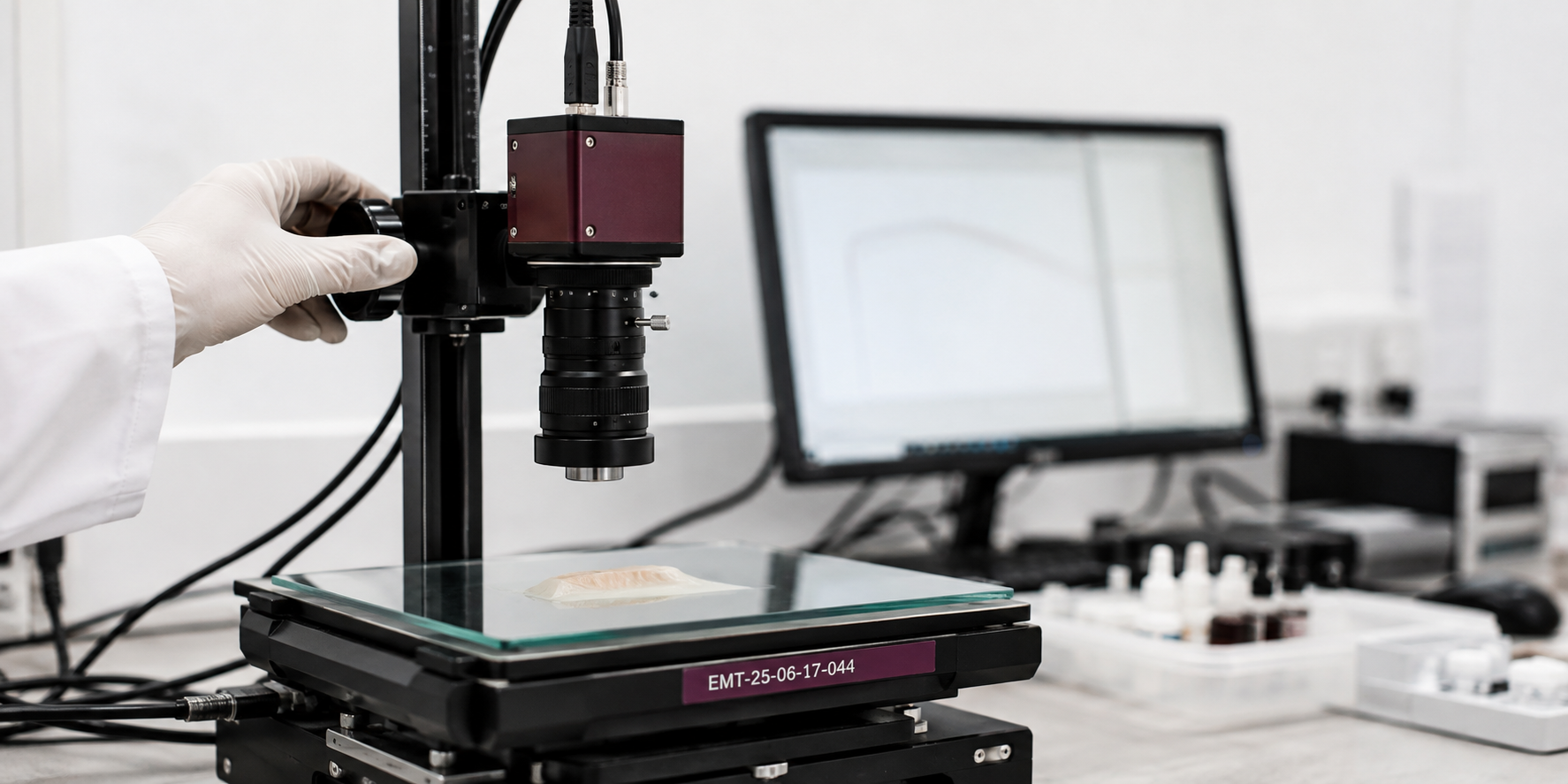
Observe and capture raw measurements
Keep the first photos and readings as the original record.
- 05
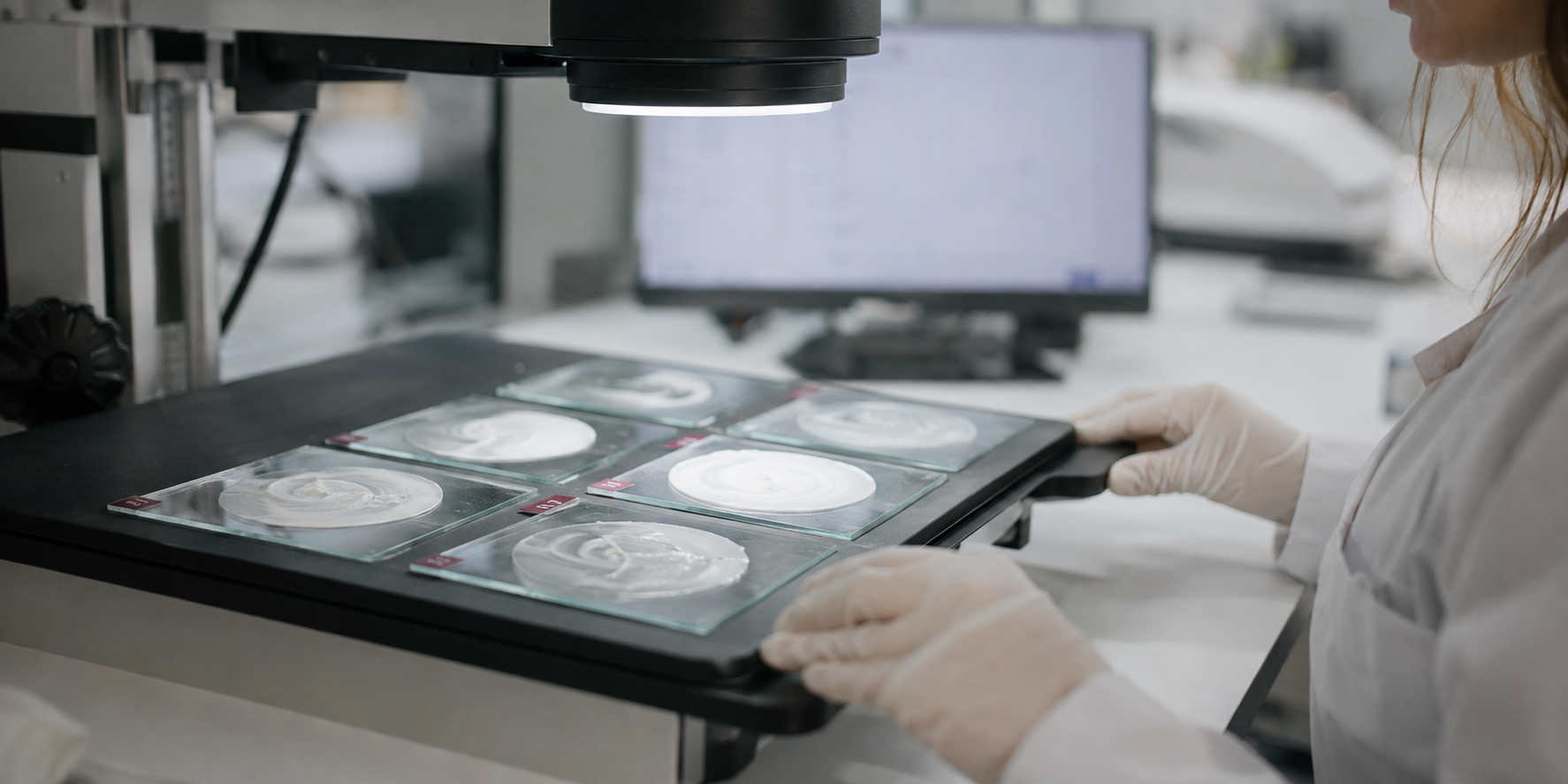
Repeat and compare
Repeat the same pairing and compare how close the results stay.
- 06
Quality check
Confirm that product, conditions, photos, and readings form one complete record.

- 07
Publication review
Publish only results that have been reviewed and approved.

FROM TEST TO DECISION
From shared use to clearer choices — and better development.
EMETTE tests the product combinations people actually use — under a consistent protocol.
We connect product, version, order of use, test conditions, and results into one accumulating record.
For consumers, that becomes grounds for choosing better combinations. For product teams, it becomes a standard for checking formula interaction and real usability.